
Official Entry into Benue State
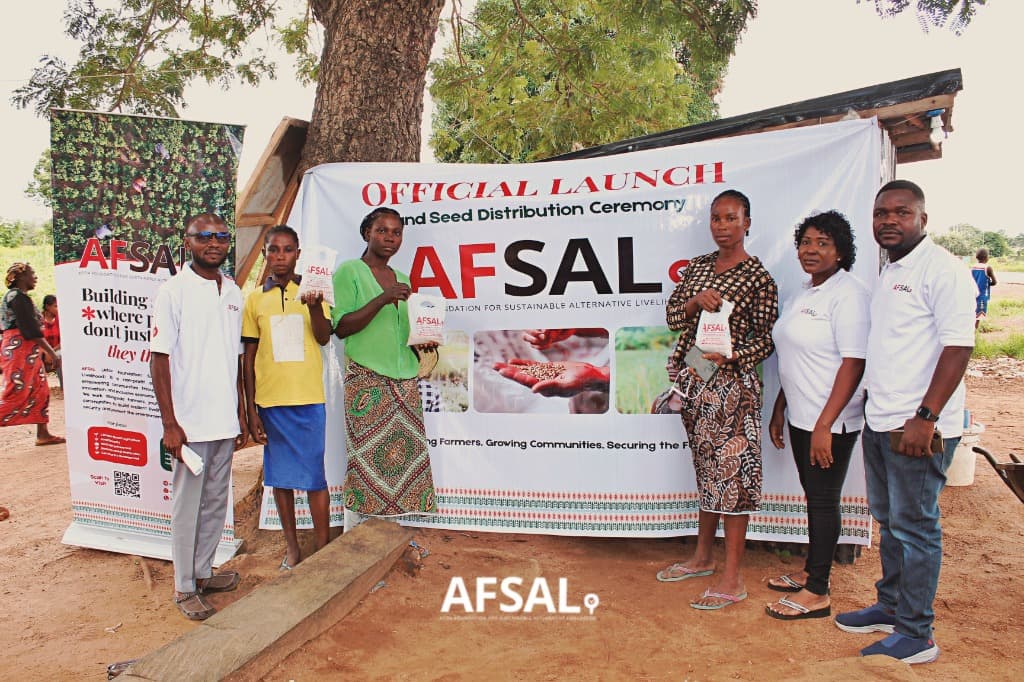
The intervention, which took place on Friday, July 31, marked the Foundation’s official commencement of operations in Benue State and is part of its efforts to improve agricultural productivity and promote sustainable livelihoods among farming communities.
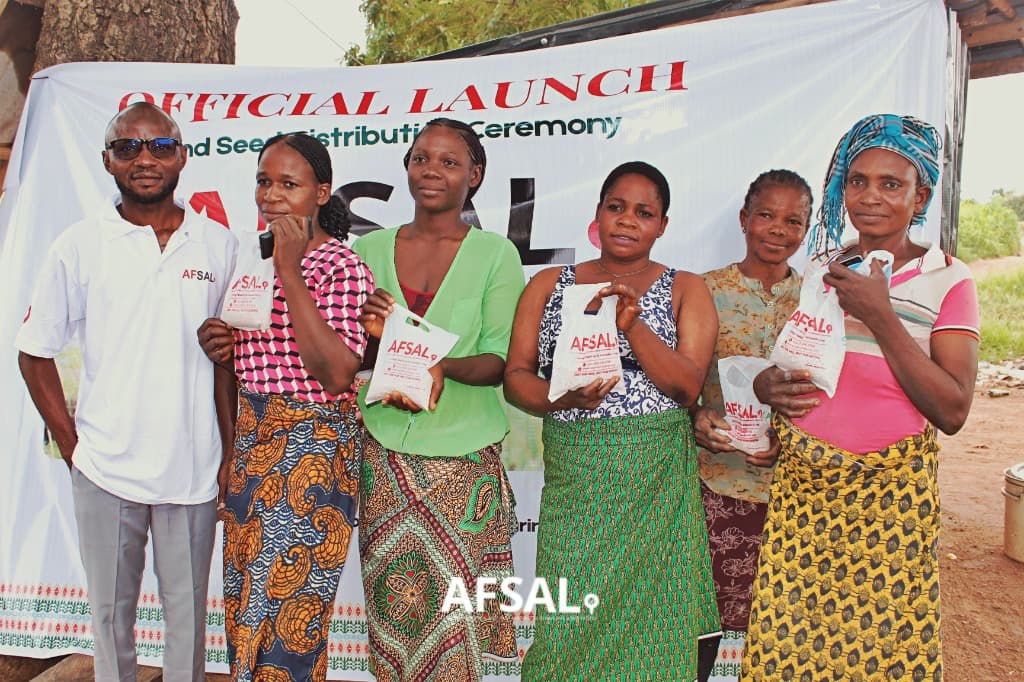
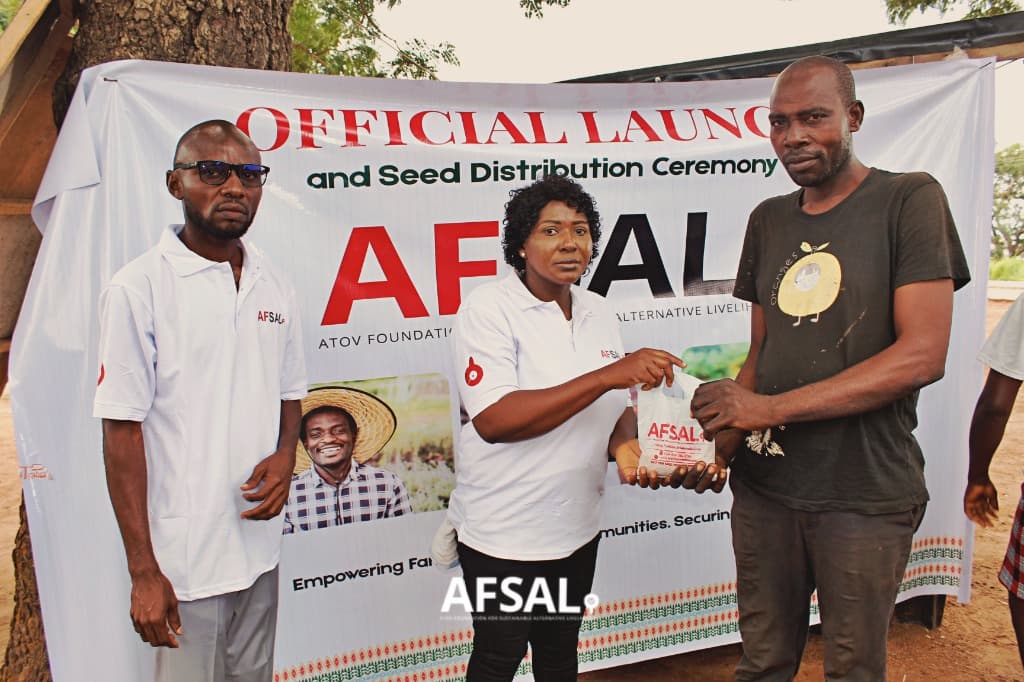
Selected farmers received one kilogramme each of improved sorghum varieties, including Samsorg 47, Samsorg 54, and Samsorg 52. Farmers were also sensitised on Best Agronomic Practices (BAP) to help them maximise the yield potential of these climate-resilient varieties.
Driven by Practical Community Solutions
Speaking at the event, the Chief Servant of AFSAL, Yadoo Adzer, said the Foundation’s entry into Benue was driven by a deep commitment to work directly with rural communities to develop practical solutions to presssing livelihood challenges.
She emphasized that sustainable development must move beyond short-term relief to build long-term community autonomy and economic resilience.
"The launch of AFSAL is more than the unveiling of an organisation. It is the beginning of a commitment to work alongside communities and support practical solutions that can improve livelihoods. We believe sustainable development should enable communities to become more productive, resilient and economically secure."
Empowering Farmers for Community Food Security
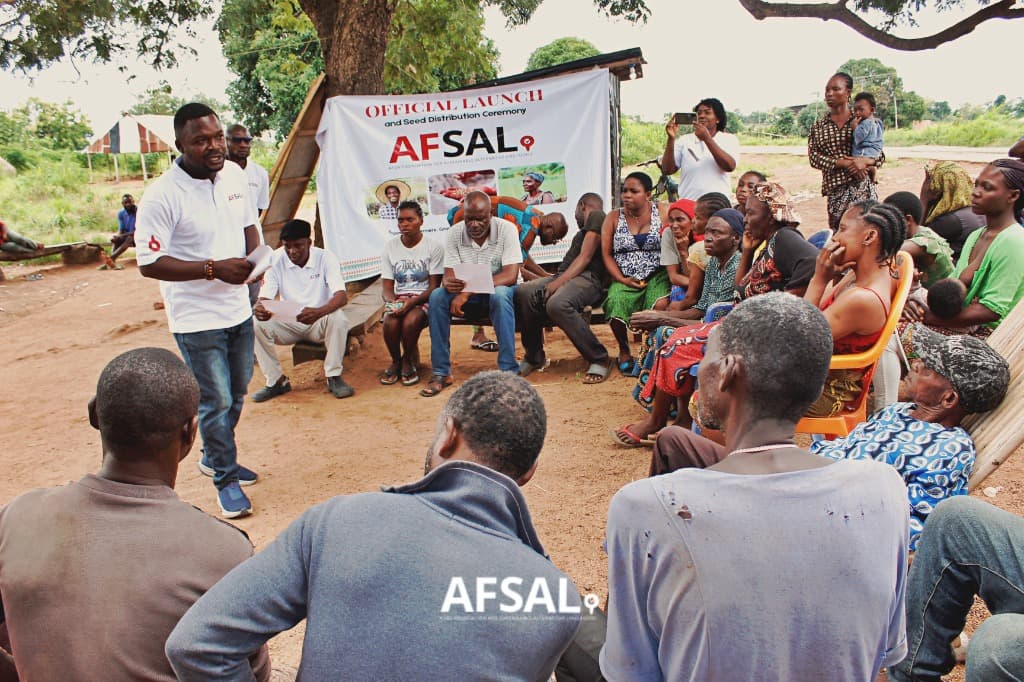
AFSAL’s Programme Manager, San Sesugh, urged the beneficiaries to combine the improved inputs with the agronomic knowledge provided during the intervention.
He underscored that providing quality inputs is only the first step; true transformation occurs when farmers are equipped with field monitoring, pest management skills, and modern row-spacing techniques.
"Food security begins with the farmer, and supporting farmers means supporting the future of our communities. Our goal is not simply to provide seeds, but to support farmers in improving productivity and building more sustainable livelihoods."
Strong Community Backing & Leadership Praise
The intervention attracted community leaders and key agricultural stakeholders. The traditional ruler of the host community, Zaki Tarkaa Torpuu, warmly welcomed AFSAL and pledged the community’s unalloyed support for its ongoing activities.
He noted that agriculture remains the heartbeat of Gboko's local economy, and interventions that equip farmers with improved inputs directly uplift family welfare.
"Agriculture is central to the livelihoods of our people, and interventions that give farmers access to better inputs and knowledge are valuable. We are optimistic that the Foundation’s presence will contribute immensely to agricultural development in our community."
Beneficiary Gratitude & High Local Demand
For Terkula Dooshima, one of the beneficiary smallholder farmers, access to improved seeds addresses a persistent challenge faced by rural growers who often struggle to obtain high-quality planting materials ahead of planting seasons.
The strong turnout at the event also revealed the high demand for agricultural support in the community, as the number of farmers seeking the improved seeds exceeded the quantity available for initial distribution.
"We appreciate AFSAL for coming to our community and supporting farmers with improved seeds. Access to good inputs can make a real difference to farmers. We hope this programme is sustained and expanded to reach more of our fellow farmers."
Field Monitoring & Planned Expansion across Benue
Beyond the initial distribution, AFSAL confirmed it will continue working with beneficiaries through practical field training, periodic monitoring, and structured data collection to track planting density, germination rates, and final harvest outcomes.
The Foundation is also exploring strategic partnerships to extend its seed distribution and capacity-building programmes to other farming communities across Benue State's agricultural belts.
The intervention comes as farmers continue to contend with climate unpredictability, soil degradation, and limited access to verified high-yield seeds. By pairing input access with farmer education and long-term community engagement, AFSAL is laying the foundation for resilient agricultural ecosystems.
